Possum Gonna Play
TEK in Storytelling and Archetype Agency

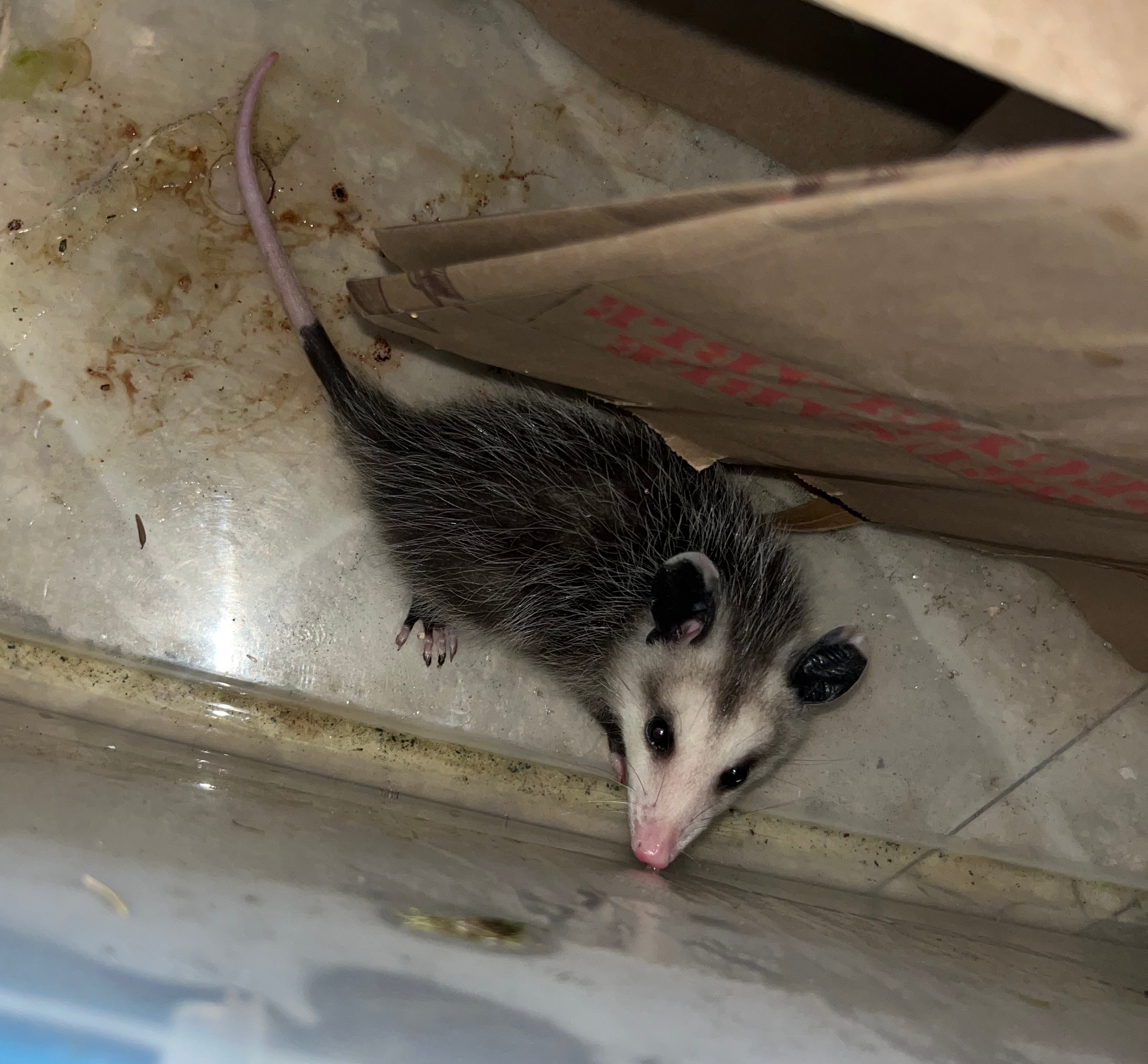
Two items this week: First, a video of a baby opossum. This little critter was caught in one of our houses by my community-mates TJ and Abby. They released kin outside and made this video of kins reluctant return to the bush.
Second, a storytelling intro. I’m taking next week off for family time, so you get a double header today: Intro here, and story in the next Substack. Enjoy!
Stories for belonging. We exist in a sea of stories. Stories for how to be a woman or a man, stories for how to make a living and succeed in the capitalist system, and stories that tell us our place in the community of all life. These stories come from the collective mind called “culture,” and tell us how to be part of the systems our culture perpetuates.
We are living in a collapsing culture. The stories of that culture can no longer help us find our identity, make a living, succeed, or belong. The transition we live in now, and the new economic and social systems of the future, need their own stories. Fortunately, very old stories still exist to inspire our return to belonging on this planet.
Oral traditions encode traditional ecological knowledge (TEK) in stories. Every culture has TEK. The fragments remain in folklore even from communities fractured by colonization, war, and assimilation. As we create new stories to help carry our hearts into the future, we can incorporate elements of ancient tales that are still relevant to our ecological context today.
Plants and animals speak a pattern language. The sun, moon, and stars, water, rocks, and soil all speak a pattern language. Once we notice and make sense out of that pattern, we need a way to remember it and to teach it to others. The conversation between humans and our ecological community is slow—so slow that we must find ways to pass on our wisdom to younger generations and create a culture where they can also receive and interpret the signs of the pattern language.
We need to accept the feedback available from the community of all life. Are we living in a good way? Are we helping or destroying the beings on whom our lives depend? We can tell each other stories in order to create mnemonic devices (memory aids) to help us remember the pattern languages of Nature and what they mean. There are ancient fables that have been told for thousands of years that can help us remember the signs that make sense out of the garden’s seasons.
Stories also provide us with archetypes for helping us grow into our agency. The voices of these goddess spoke to me during an intense healing experience. This is what they said:
The Maiden said, “I am going to love as if nobody would ever violate me.”
The Mother said, “I am going to protect you, because people will try to violate you.”
The Crone said, “I will remember, when you get hurt, that you are still whole.”
The Queen said, “I will transform violence into love.”
The archetypes need to be balanced: Too much Maiden energy, and I will not protect myself adequately. Too much Mother, and I will limit myself unnecessarily. I need the Crone to remember that I can survive the inevitable hurts of life, and the Queen to find my own power after the pain.
The Story of Persephone originates with the Greek people, and was first told at least 3,000 years ago. The climate of Greece is very similar to the climate of the West Coast of North America: a “Mediterranean” climate, with wet winters, dry summers, and temperatures in USDA hardiness Zones 7-11. I retell Persephone’s story here, with a modern spin in the tradition of my Pagan lesbian feminist mentors.
Thank you, women of SisterSpirit in Portland, Oregon, and women of We’Moon, for guiding me on this healing path when I was a teenager in the 1990s.
The Story of Persephone begins in the next Substack.